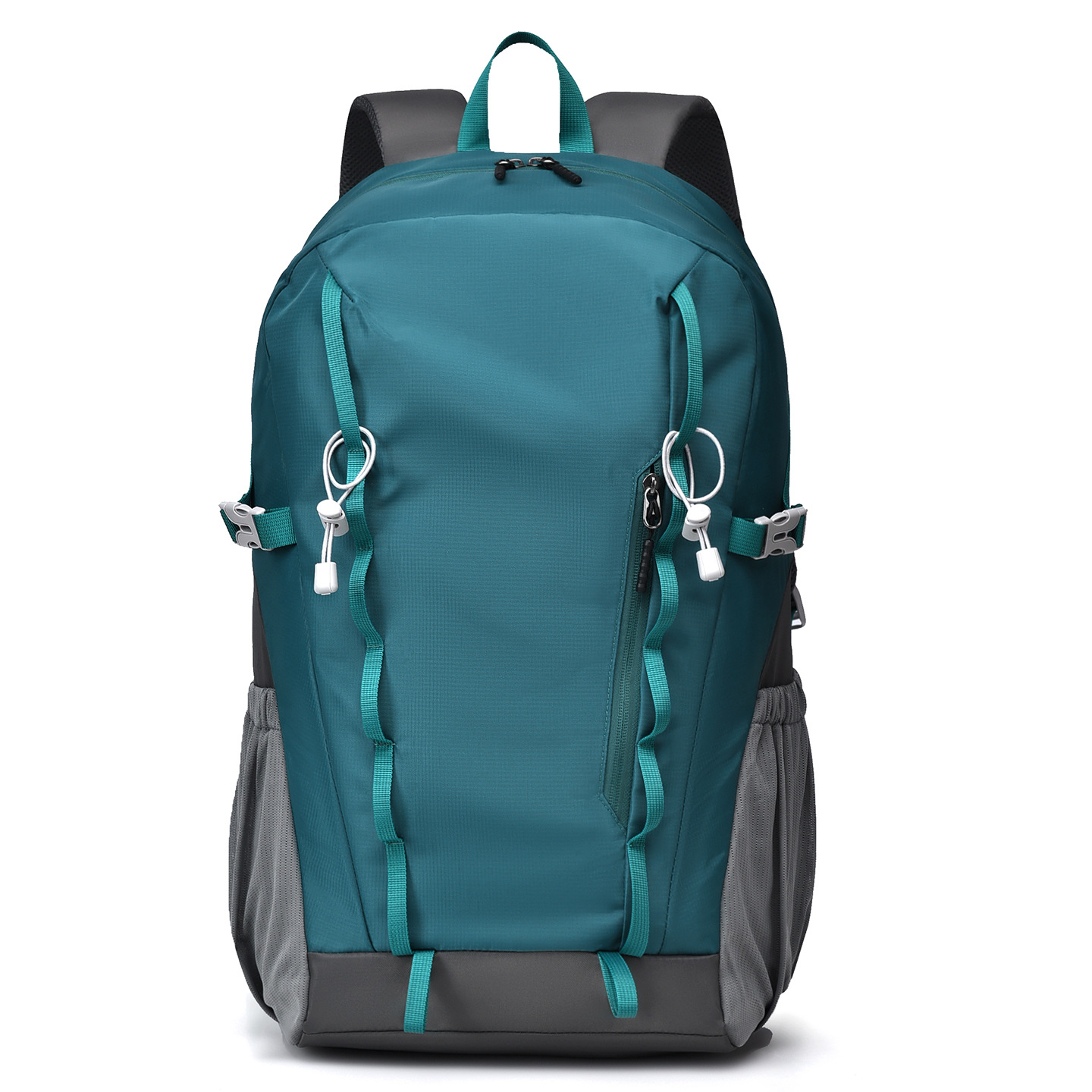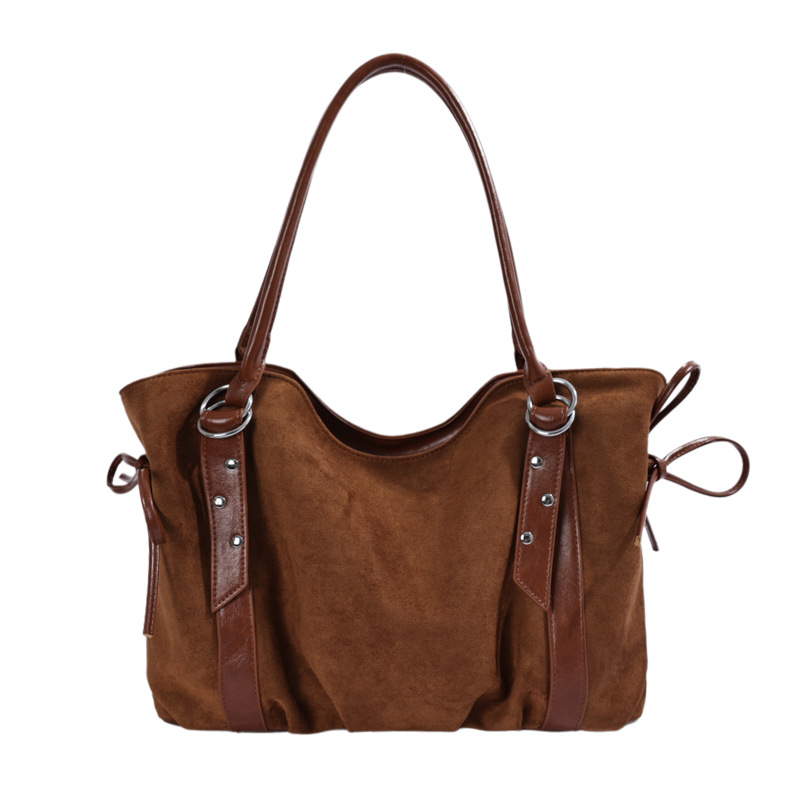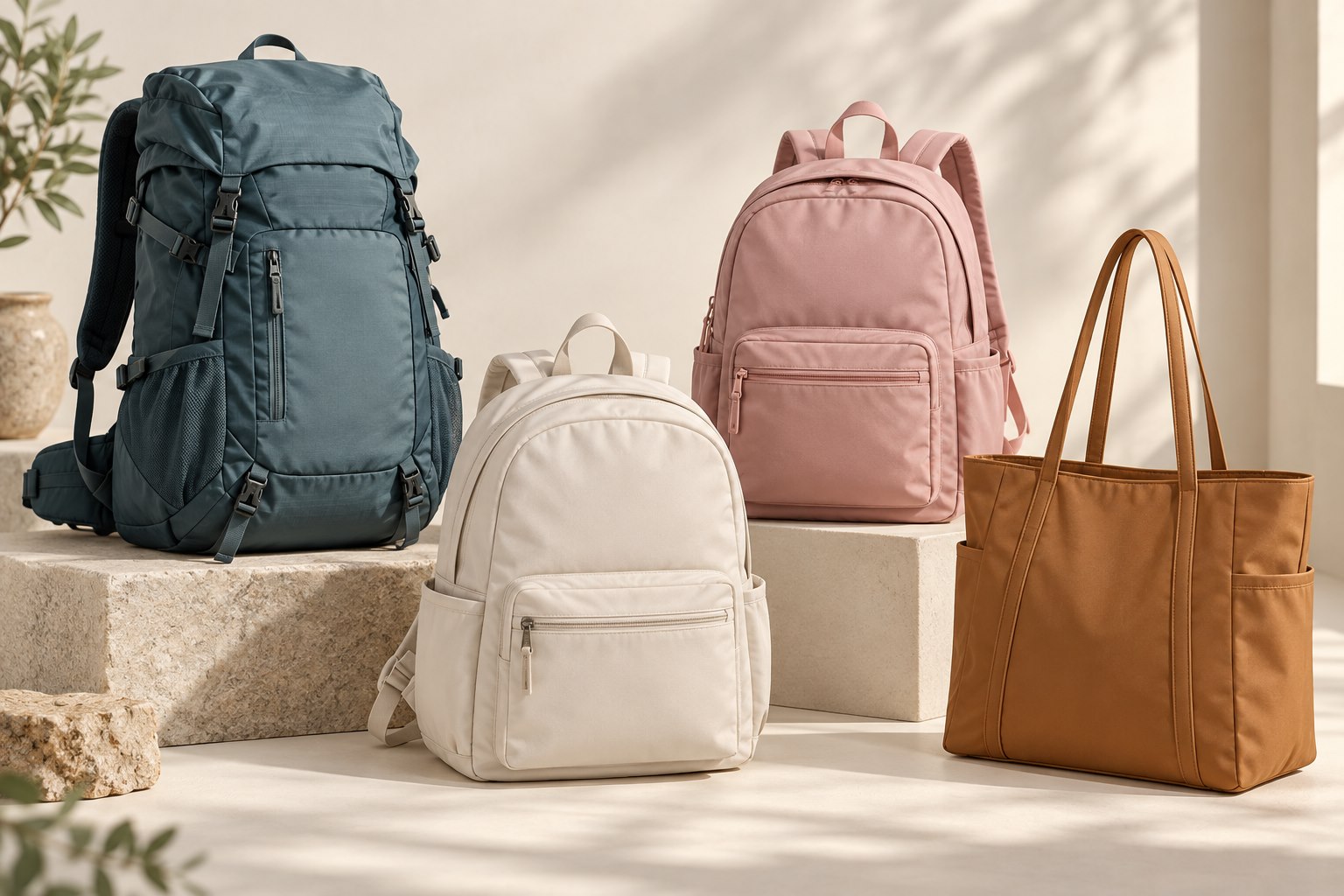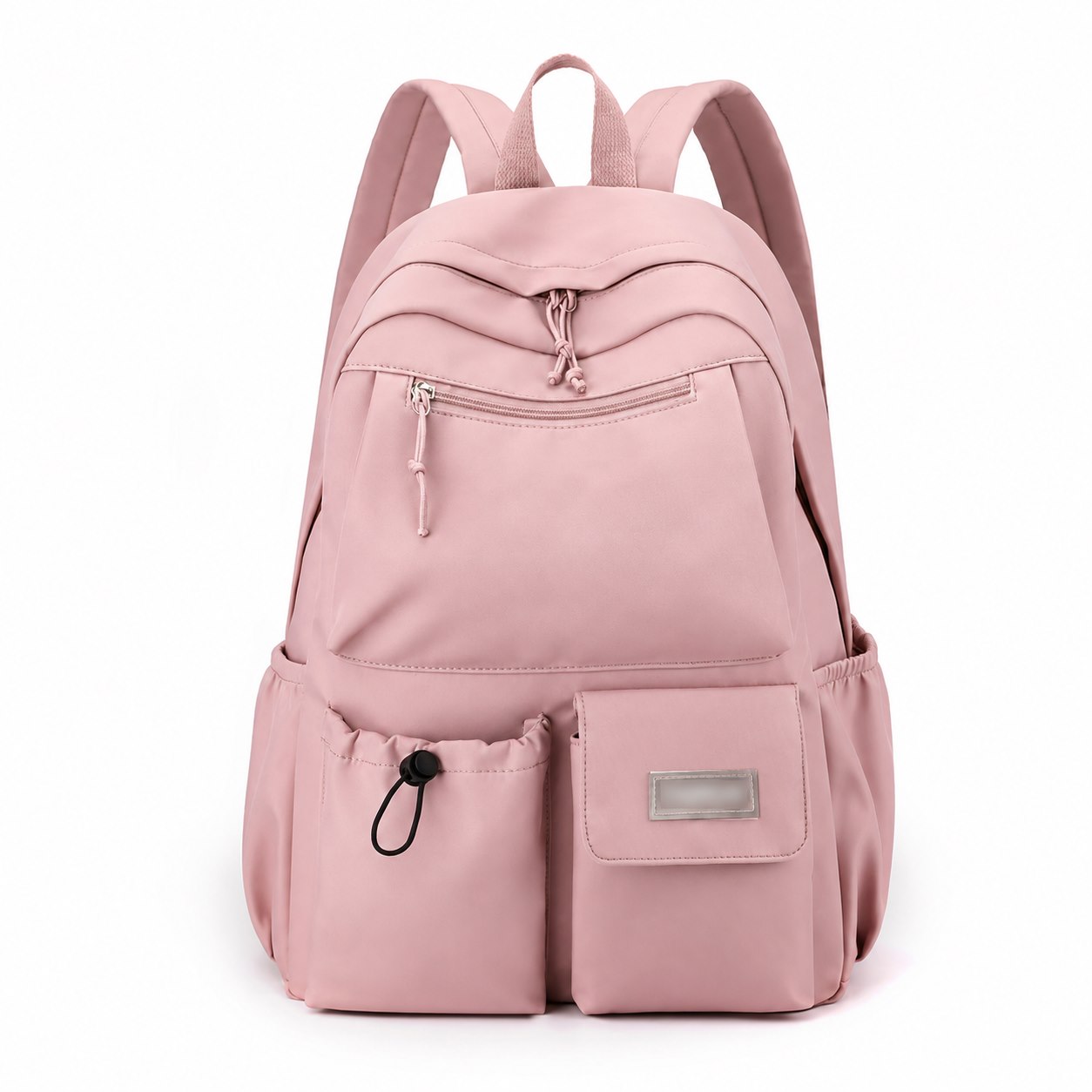
Compare the sample with the written brief
Keep the latest specification, artwork and sample comments together. Confirm which sample version is being reviewed. Check the overall dimensions, shape and empty weight where relevant, and record the measurement method. Photographs help communicate changes, but a physical sample is useful for reviewing feel, access and construction.
Test the intended everyday contents
Use representative items for the intended purpose. Check whether they fit, whether the opening is easy to access and whether pockets remain usable when the main compartment is filled. For a school or commuter backpack, review the organization with books or the intended device. For a handbag or tote, consider the contents and carrying methods your customer needs.
Review fabrics, colors and logo details
Compare the outer fabric, lining, trim and hardware with the agreed references. Lighting and screens can change color appearance, so agree a physical color reference when consistency matters. Check logo spelling, dimensions, placement and decoration quality. Confirm that the artwork and trademarks are authorized for your project.
Check straps, closures and finishing
Review strap adjustment, handle placement, pocket access and zipper operation. Inspect stitching, exposed edges, seam finishing and reinforcement at the specified load points. Record what you observe without treating a visual review as laboratory testing. If your project requires a performance claim or a destination-specific test, agree the relevant method and evidence separately.
Write a clear change list
Use numbered comments with annotated photos. Separate required corrections from optional preferences, and state the expected result for each change. Ask whether a change affects materials, cost or the schedule. Decide with the factory whether the changes need a revised physical sample before approval.
Confirm the production reference
Agree the final sample, written specification, artwork version, color references, packaging and labeling. Confirm the quotation and delivery arrangements with the factory. Keep the approval record for later checks. An approved sample is a shared production reference; it does not replace agreed inspection criteria or any required compliance evidence.